
Preschool Program
in Seattle for Ages 2–3½ Years


Preparing for the Next Stage of Learning
At Panda Daycare, our Preschool Readiness Program bridges the transition between toddlerhood and formal preschool. Designed for children aged two to three and a half years, this program emphasizes confidence, independence, and curiosity.
Children at this age are ready to expand their language, social skills, and problem-solving abilities. Our teachers guide each child through a balanced routine of structured learning, imaginative play, and outdoor exploration—creating an environment where every moment is a chance to learn.
Our goal is to help each child feel capable and excited about learning while developing the foundational skills needed for a smooth transition to preschool or pre-kindergarten settings.
Why Preschool Readiness Matters
Between ages two and three and a half, children begin to express their personalities, form friendships, and gain the ability to think symbolically. A nurturing early education program helps them strengthen focus, language, and emotional awareness—essential tools for later academic and social success.
At Panda Daycare, we provide the building blocks for lifelong learning by supporting:
Language development: Encouraging full sentences, storytelling, and new vocabulary.
Social skills: Practicing sharing, cooperation, and empathy in group play.
Cognitive skills: Introducing colors, numbers, patterns, and simple problem-solving.
Creativity: Offering open-ended art, dramatic play, and music for self-expression.
Physical coordination: Promoting balance, strength, and control through outdoor play and movement activities.
Independence:
Reinforcing self-help routines like dressing, handwashing, and clean-up.
By focusing on the whole child, we prepare children not only for school, but for a lifetime of curiosity and resilience.
Our Preschool Learning Environment
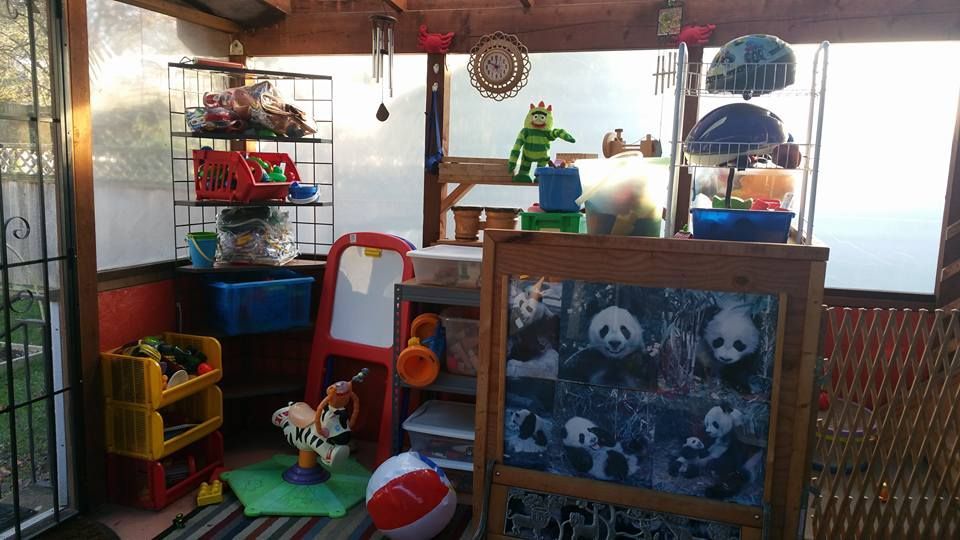
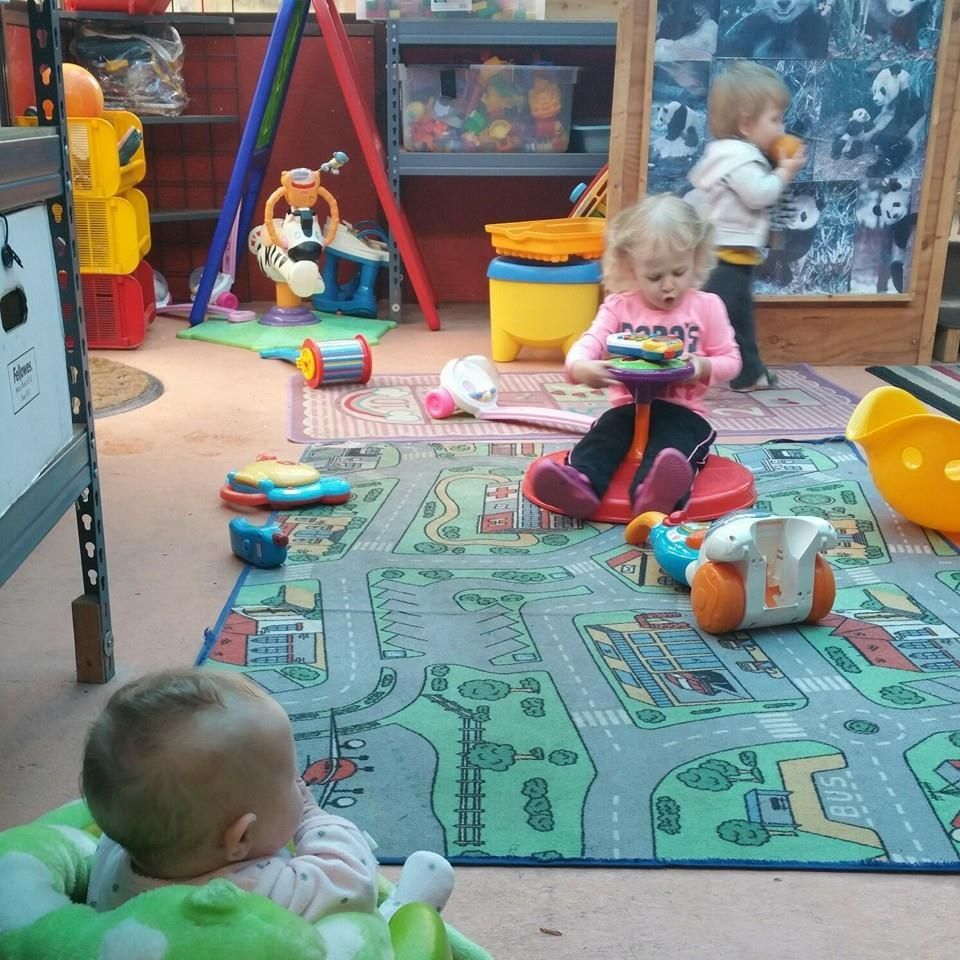
Our preschool classroom is designed for exploration and imagination. Low shelves hold books, puzzles, blocks, and art supplies within easy reach, promoting independence and choice. The sunroom provides bright, natural light and plenty of space for music, art, and movement.
Features of our preschool environment include:
- Defined learning centers for art, dramatic play, building, reading, and science
- Hands-on materials for discovery and problem-solving
- Calm spaces for quiet time or reflection
- Safe, fenced outdoor yard for movement and nature activities
- Age-appropriate art tools and sensory materials
Every element is intentional—encouraging curiosity, creativity, and collaboration among peers.
Learning Through Play and Imagination
Our preschool program is rooted in
play-based learning. Children explore concepts of literacy, math, and science through stories, songs, and hands-on projects that make learning engaging and natural.
Early Literacy and Language
Storytime, rhyming games, and alphabet activities introduce letter recognition and comprehension. Teachers encourage children to retell stories, ask questions, and make predictions—skills that strengthen communication and memory.
Arts and Crafts
Daily creative projects help children explore colors, shapes, and textures. Using crayons, brushes, and natural materials, children express their ideas freely while developing fine motor skills and artistic confidence.
Music and Movement
Music supports rhythm, coordination, and emotional expression. Our teachers use songs, instruments, and dance to help children learn new words, follow directions, and build body awareness.
Gardening and Nature Exploration
Our fenced yard and garden area allow preschoolers to participate in nature-based learning. Children water plants, observe bugs, and help with simple garden care, fostering curiosity and environmental awareness.
Science and Sensory Play
Hands-on experiments—mixing colors, pouring water, observing textures—help children understand cause and effect. Sensory play encourages attention, patience, and critical thinking.
Building Independence and Responsibility
Preschoolers are eager to “do it myself.” Our teachers support this growing independence through small, achievable routines that teach responsibility and self-control.
Daily opportunities include:
Helping set up and clean up materials
Serving themselves at snack time
Practicing dressing and toileting skills
Caring for class plants and pets
Making choices about activities and projects
These experiences build confidence, preparing children for future group settings and larger classrooms.
Social and Emotional Growth
Preschoolers learn to navigate emotions, friendships, and teamwork. Teachers model respectful communication and guide children through challenges using calm redirection and encouragement.
Through group games, role play, and storytelling, children practice:
- Taking turns and cooperating with peers
- Expressing feelings in appropriate ways
- Recognizing emotions in others
- Building empathy and patience
- Celebrating accomplishments together
We help each child feel heard and valued, creating a sense of community where every personality is appreciated.

Daily Routine and Balance
Our daily preschool schedule includes a balance of active play, structured learning, and rest.
Morning gathering:
Songs, sharing time, and setting goals for the day.
Learning centers: Small-group exploration of math, literacy, art, and science.
Outdoor play:
Gross motor activities, gardening, and movement games.
Home-cooked meals:
Shared in a calm, social setting to promote manners and conversation.
Rest time:
Quiet naps or relaxation to restore energy.
Afternoon projects:
Music, art, and sensory play before family pick-up.
These consistent routines help children feel secure and ready for the next step in learning.
Partnership with Families
We maintain close communication with families to ensure consistency between home and daycare. Teachers share daily updates through our information board and discuss milestones during drop-off and pick-up.
Parents are encouraged to participate in goal-setting, celebrate progress, and share feedback about their child’s development. This collaboration ensures that our preschoolers are supported emotionally and academically as they grow.